

EN 388: Production of Gloves Resistant to Mechanical Risks
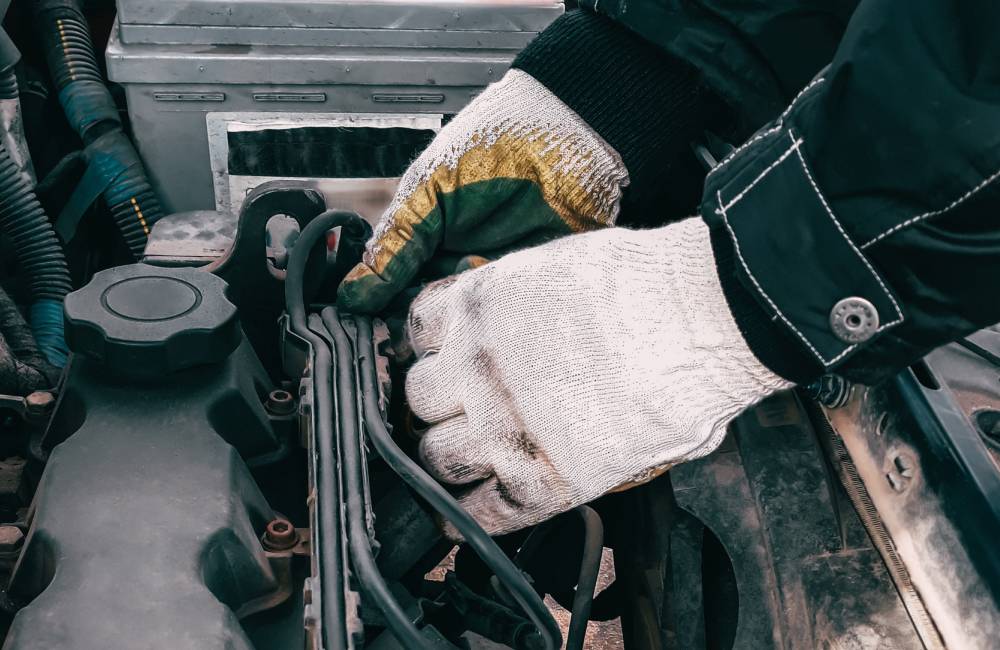
EN 388: Production of Gloves Resistant to Mechanical Risks
Gloves resistant to mechanical risks are produced with the aim of resistance to various mechanical risks in working conditions. Gloves produced in this context are completely specially designed and created. The material of the gloves produced to be resistant to multiple risks is often nitrile. With the use of these gloves, injuries as a result of cutting, friction, puncture, impact, abrasion and impact experience a significant decrease. If a much safer working environment is to be achieved, gloves resistant to mechanical risks should definitely be used.
Nitrile gloves are categorised as gloves resistant to mechanical risks. Gloves manufactured using polyethylene yarn can also be resistant to mechanical risks.
Gloves produced in accordance with the EN 388 standard are in the class of gloves that provide protection against mechanical risks. These gloves provide protection against mechanical risks in many sectors, especially in construction. Accordingly, gloves are assessed for their abrasion, cut, tear and puncture resistance and the performance of the gloves is rated on a scale of 1-5 or 1-4.
Abrasion Resistance: Abrasion resistance is a performance indicator on the far right, expressed in values from 1 to 4. Gloves that provide protection against mechanical risks are also resistant to various impacts. In this way, the extent of damage to the gloves is low. It is possible to use gloves that show resistance to abrasion for many years.
Cut Resistance: Cut resistance is shown in the second level from the right under EN 388 and has ratings from 1 to 5. Accordingly, it is clear how much protection it provides against piercing and cutting objects. Gloves made from different materials can have different levels of cut resistance.
Tear Resistance: Tear resistance is the value expressed in the third digit. Tear resistance prevents gloves from tearing when working with sharp objects and heavy equipment.
Puncture Resistance: Puncture resistance, the fourth of the values under the EN 388 icon, is shown at a level between 1 and 4. With gloves with puncture resistance, the problems caused by nails, screws, broken glass and similar materials are eliminated. In this way, existing risks are also left behind.
Impact Resistant Gloves: Impact protection is indicated by the letter X, F or P on the far right under EN 388. In 2016, it started to be tested with the renewed EN 388 standard. The letter P refers to gloves specially designed to withstand any impact or collision. It is generally used in sectors such as mining, construction and transport.
Resistance to Friction: They are especially preferred by workers working on abrasive and slippery surfaces. Friction resistance is greatly increased by using special linings and coatings on the gloves.
The performance of gloves that provide resistance to mechanical risks is determined by the above factors. These resistance levels should be evaluated according to the difficulties and needs of the job and a choice should be made accordingly.
The production of gloves that provide protection against mechanical risks with EN 388 standard goes through different stages: selection of materials, design and cutting processes, coating and lining, testing and certification, quality control and packaging, and it is necessary to ensure that all these stages are carried out in accordance with the standards. Since all work gloves of Beybi comply with EN388 standard, you can safely choose Beybi gloves in all work applications with mechanical risks.
Beybi Plastik has been operating in the field of personal protective work safety gloves, production and sales of examination gloves, sterile surgical gloves and medical consumables sales and marketing since its establishment in 1949.
Categories
- General
- Vinyl Gloves
- Cleaning Gloves
- Polyester Knitted Nitrile Gloves
- Leather Gloves
- Protect Work Gloves
- Cotton Nitrile Gloves
- Special Purpose Work Gloves
- Latex & Nitrile Examination Gloves
- Cut Resistant Gloves
Last Posts

How should the welder glove be?
July 27, 2025

Best Outdoor Working Gloves: Choosing the Right Protection for Any Condition
November 18, 2024
EN 388: Production of Gloves Resistant to Mechanical Risks
November 18, 2024

Vinyl Gloves Suppliers
November 18, 2024

What Are The Best Gloves for Working in a Warehouse?
November 18, 2024

Best BBQ Gloves: A Guide to Choosing the Right Protection
November 18, 2024
How to Wear Gloves? A Step-by-Step Guide for Proper Use
November 18, 2024

What are the 7 Steps to Removing Gloves Safely?
November 18, 2024